Creative Investment: Challenges Met with Emerging Opportunities
Hanoi is currently facing a “familiar” paradox within the cultural industries: the market is large enough, and the demand for spiritual consumption is significantly high, yet creative investment remains a difficult game to navigate. Successful models demonstrate that culture can operate entirely as an economic sector; however, to go the distance, investors and entrepreneurs must overcome numerous barriers regarding capital, premises, copyright, and policy mechanisms. Amidst opportunities and challenges, practical stories in Hanoi suggest one vital point: It is difficult – but not impossible.
The “Cultural Consumption” Market Has Formed: Opening New Directions
Hanoi possesses immense advantages and potential: high population density and a large, stable flow of tourists over many years. Approximately 10 million local residents, combined with nearly 30 million visitors annually, create a cultural consumption market broad enough for creative products to thrive on revenue rather than relying solely on short-term sponsorships or state budgets.
Reality shows that a single cultural event placed correctly within familiar urban spaces, such as the Hoan Kiem Lake area or the Old Quarter, can attract tens of thousands of attendees in a single weekend. This clearly reflects the “spiritual hunger” of Hanoians and tourists: they are willing to spend time, and even pay, for experiences that embody cultural elements, memory, and local identity.
It is this market scale that is creating opportunities even for sectors once considered difficult to monetize. Traditional performing arts are a prime example. Formerly associated with narratives of ‘extinction risk,’ genres such as Xam singing, Cheo, or water puppetry are gradually finding new audiences—particularly when restructured into experiential formats that align with urban lifestyles and tourism.
From Cultural Resources to Products: Insights from Effectively Operating Models
The hallmark of successful case studies lies not in possessing more unique cultural materials than others, but in the way those resources are organized and operated into products that can be repeated, scaled, and refreshed.
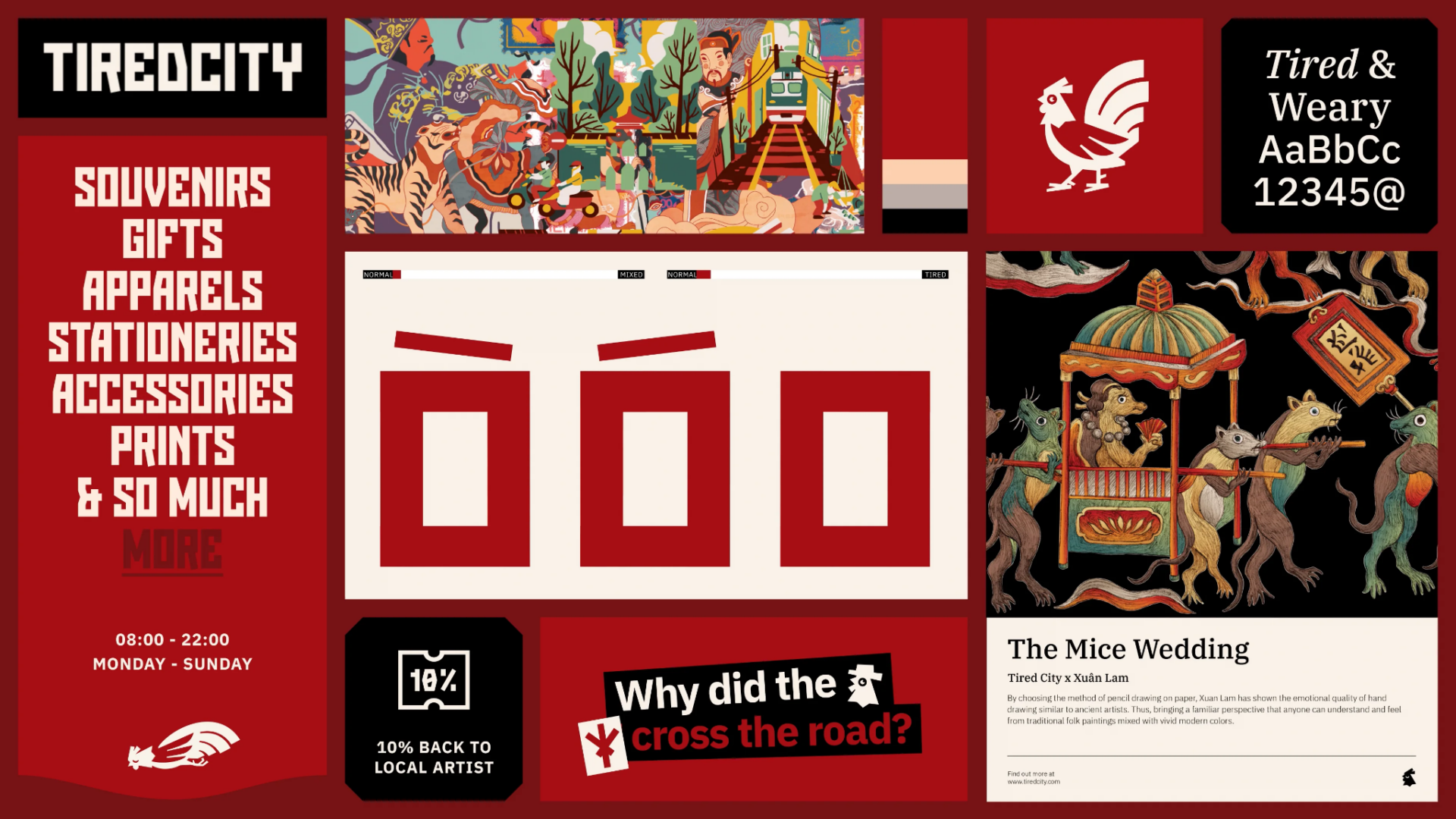
For Tired City, the differentiator is not the garment form or material, but the visual system. This brand taps into folk aesthetics, urban memories, and Hanoi life through the lens of young artists—infused with a touch of humor—and places them on high-utility products like T-shirts, tote bags, and prints. More importantly, Tired City has built a creative ‘repository’ involving hundreds of artists and thousands of artworks, supported by a transparent royalty mechanism. This ensures a constantly refreshed content stream while providing the creative community with the motivation for long-term partnership.
Photo: Tired City
In the traditional arts sector, the Center for Promotion of Vietnamese Intangible Heritage (VICH) adopts a different approach. Instead of calling for preservation in a static sense, VICH organizes Xam and Cheo into periodic experiences with clear structures, narrative guidance, and audience interaction. Spectators do not just ‘listen to singing’; they are provided with a cultural backdrop and engaged in dialogue and practice. When these arts are operated as cultural industry products, audiences are willing to pay, and artists gain a more stable livelihood.
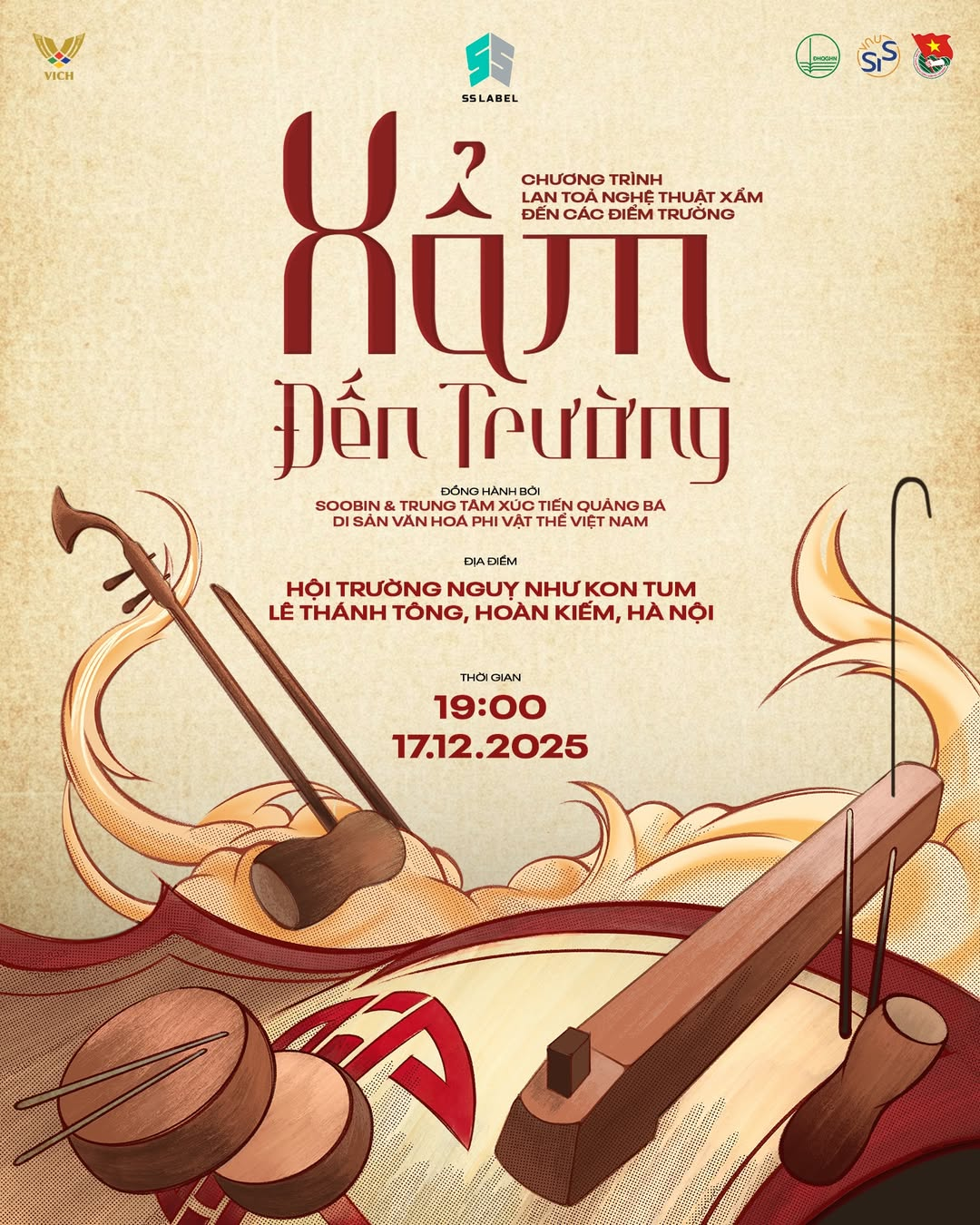
The “Xẩm program at school”. Photo: VICH
Creative spaces in rural areas also demonstrate an alternative direction. At the Duong Lam ancient village, Đoài Creative does not turn heritage into a static display but into material for creation. Visitors do not just sightsee; they directly paint, mold, and create on the village’s old tiles, bricks, and doors. The finished works can be taken home, becoming a ‘material memory’ linked to the experience. This element of deep participation creates the distinct value of the model.
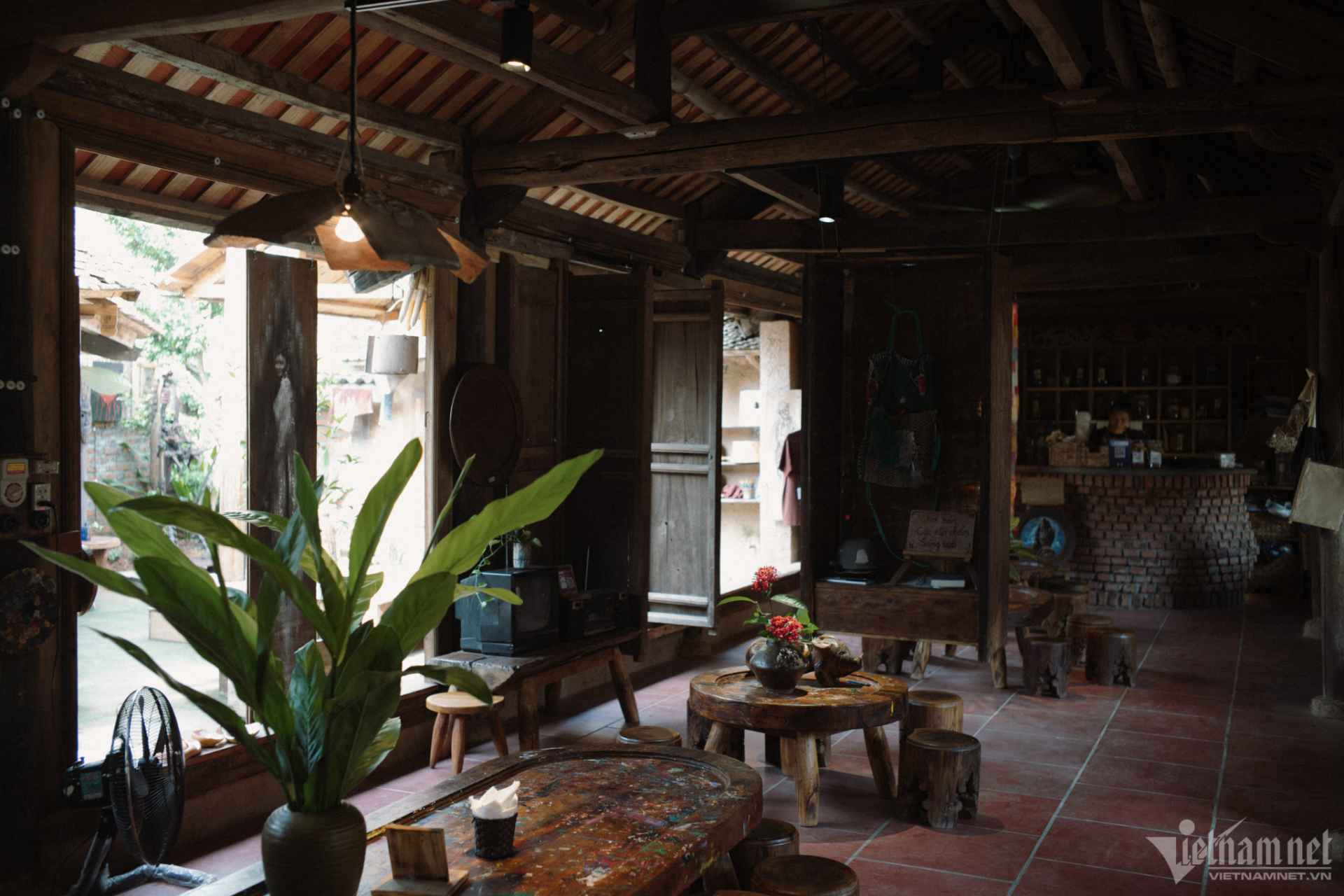
The space of Doai Creative. Photo: Vietnamnet
For the Dao Thuc water puppet village, the dense schedule of fully booked performances proves that traditional arts can entirely become an economic activity if connected with tour itineraries and market experiential demands. Artisans no longer perform just a few sessions a year but participate in an organized chain of activities with clear outputs.
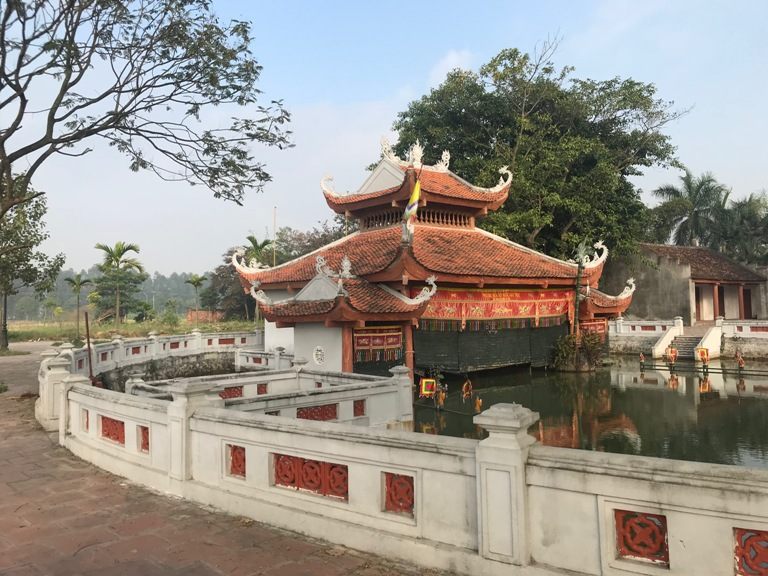
Dao Thuc Water Puppet Village – a place that preserves the essence of water puppetry art. Photo: Internet.
The Struggle for Longevity: Where Are the Bottlenecks?
Despite a tangible market and the emergence of viable models, investing in cultural industries remains a path fraught with risk. The primary obstacles for small and medium-sized enterprises (SMEs) are physical premises and operational stability. High urban rental costs, coupled with the fact that cultural revenue rarely grows as rapidly as other consumer sectors, create a significant financial strain. Additionally, there is the challenge of long-term capital: many projects require substantial time to accumulate content, build a community, and test products before reaching profitability.
Intellectual property and copyright risks also represent a major bottleneck. Many creators remain hesitant to collaborate, while businesses find it difficult to scale without clear protection mechanisms. At the policy level, although the Capital Law and new regulations have introduced incentives for land leases, taxes, and public-private partnerships, a significant gap remains between framework policies and their practical implementation.
However, current developments suggest that this equation is not without a solution. Successful case studies share a common trait: they do not ‘exploit’ cultural resources for quick gains. Instead, they invest in research, content organization, community building, and value sharing. Alongside financial capital, they accumulate intellectual and relational capital, laying a firm foundation for sustainability.
From a state management perspective, investing in cultural industries must be viewed through a lens broader than mere funding. It requires stable spaces, human resource training, creative rights protection mechanisms, and platforms that bridge supply and demand. As these elements gradually take shape, creative investment in Hanoi may still be challenging, but it will become less risky and sufficiently attractive for those committed to the long haul.