Hà Nội accelerates the development of Cultural Industry Centers – a new driver for creativity and growth
On 1 October 2025, the People’s Committee of Hà Nội issued Plan No. 270/KH-UBND to implement Resolution No. 24/2025/NQ-HĐND on the organisation and operation of Cultural Industry Centers across the city. The move is seen as a significant step in translating the goal of positioning cultural industries as a key economic sector and affirming Hanoi’s role as a regional creative hub.
Under the plan, Hanoi will gradually establish a citywide network of Cultural Industry Centers (CICs), creating an interconnected creative space to nurture talent, apply technology to heritage preservation, and develop the capital’s cultural industries.
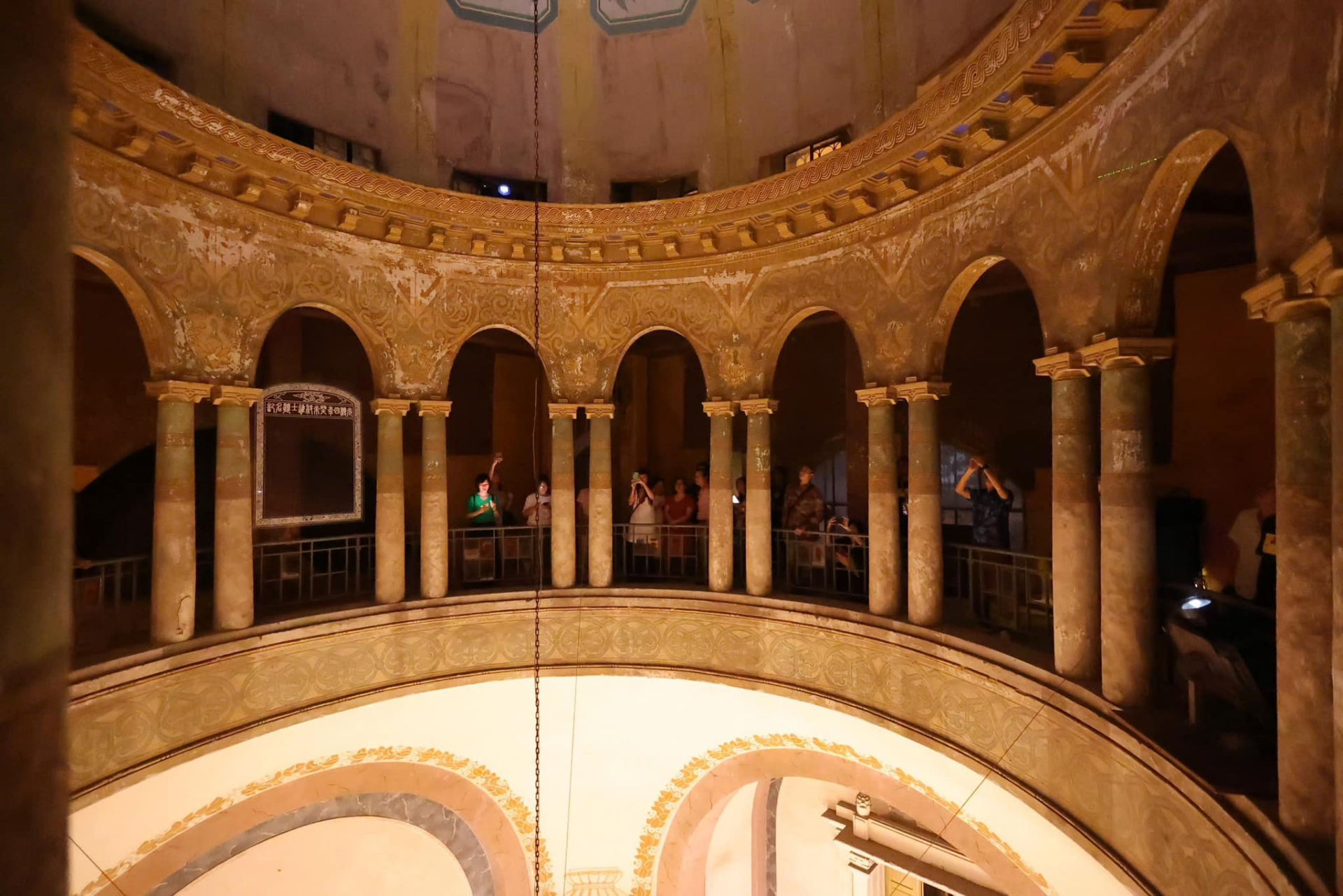
The first centers will be formed from existing spaces with advantages in location, heritage and creative environments. (Photo: Organising Committee of Hanoi Design Festival 2024)
Hanoi aims to establish its first CICs as early as 2025, building on spaces that already possess strengths in terms of location, heritage value and creative ecosystems. The city encourages socialised investment models and public–private partnerships to ensure operational flexibility and enable deeper private-sector participation in the capital’s creative ecosystem.
From 2026, Hanoi will prioritise investment in infrastructure and creative spaces, while completing the establishment of a Hanoi Cultural Industry Center under the Department of Culture and Sports to serve as a coordinating body for the network. At the same time, the city plans to develop two to three specialised centers in fields such as design, fine arts, performing arts, handicrafts, advertising, and television and radio broadcasting, gradually forming a diverse and interconnected system of creative spaces.
By 2030, Hanoi targets the establishment of 10 Cultural Industry Centers in accordance with the revised Capital Law. This network is expected to function as a series of “creative nodes”, connecting artists, designers, technology start-ups, creative enterprises and international organisations, thereby expanding cooperation capacity and elevating the capital’s position on the regional cultural industries map.
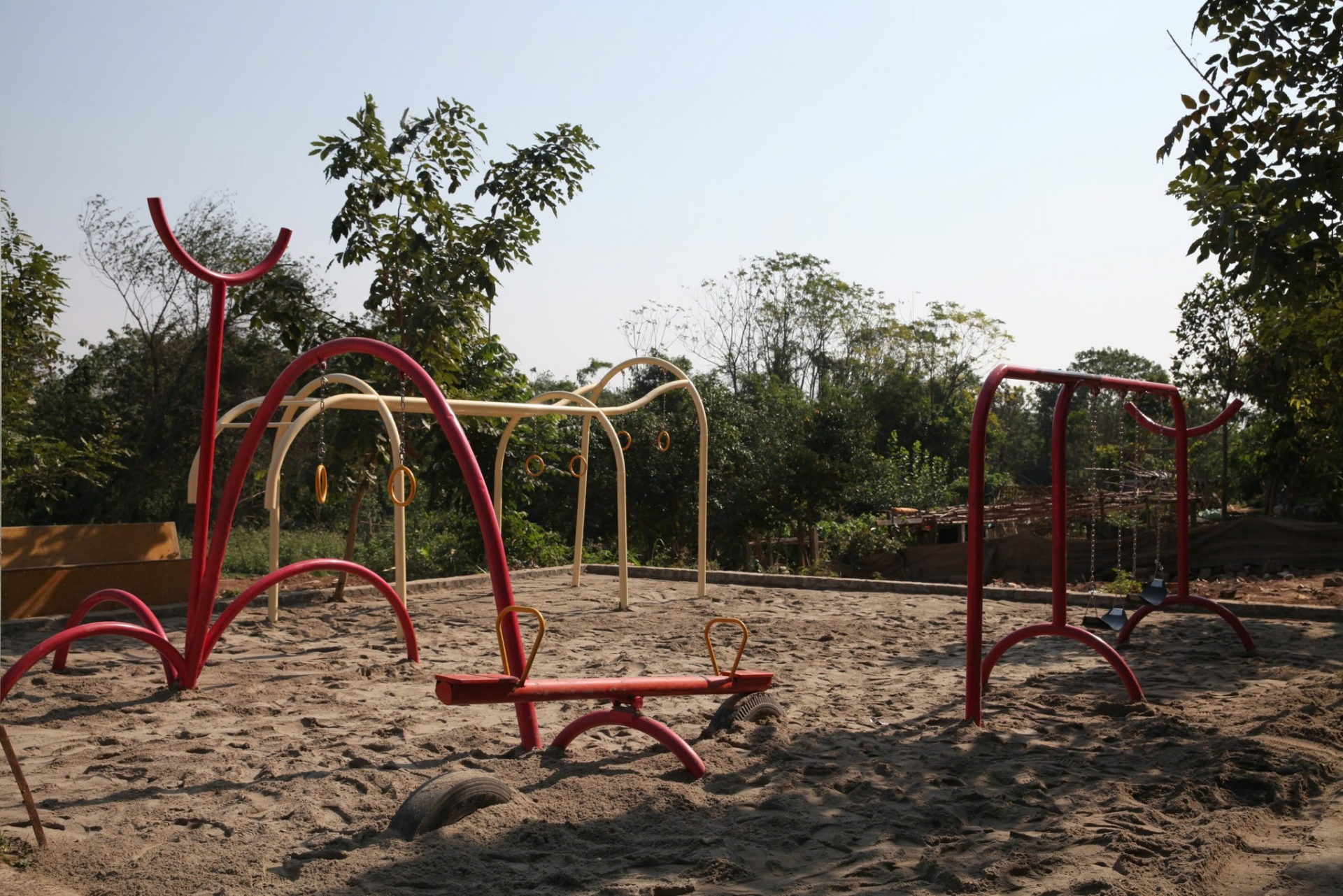
Community playground in Phúc Tân for the Bở Vở area along the Red River. (Photo: Think Playgrounds)
Looking towards 2045, Hanoi envisions developing a large-scale, modern cultural industry zone along the Red River riverbanks, aligned with urban planning and flood-control strategies. This area is expected to become a focal point for creativity, technology, design, performance and digital content production, serving as a new long-term growth engine for the capital. Hanoi also aims to build a digital cultural industry ecosystem, connecting centers through shared platforms and moving towards a modern, flexible and sustainable system.
To realise this vision, Plan 270 outlines key tasks including strengthening communication and awareness of the role of cultural industries in urban development; training high-quality human resources; completing procedures for the establishment and operation of CICs; promoting creative activities, attracting investment and expanding cooperation; and enhancing monitoring and evaluation of each center’s performance.
The Department of Culture and Sports has been assigned as the standing agency, responsible for guiding procedures, appraising applications, proposing incentive policies and developing international cooperation. With the coordinated participation of departments, local authorities and the creative community, the city expects Cultural Industry Centers to become vital connectors—nurturing talent, generating ideas, creating economic value from culture, and positioning Hanoi as a leading cultural industries hub in the region.